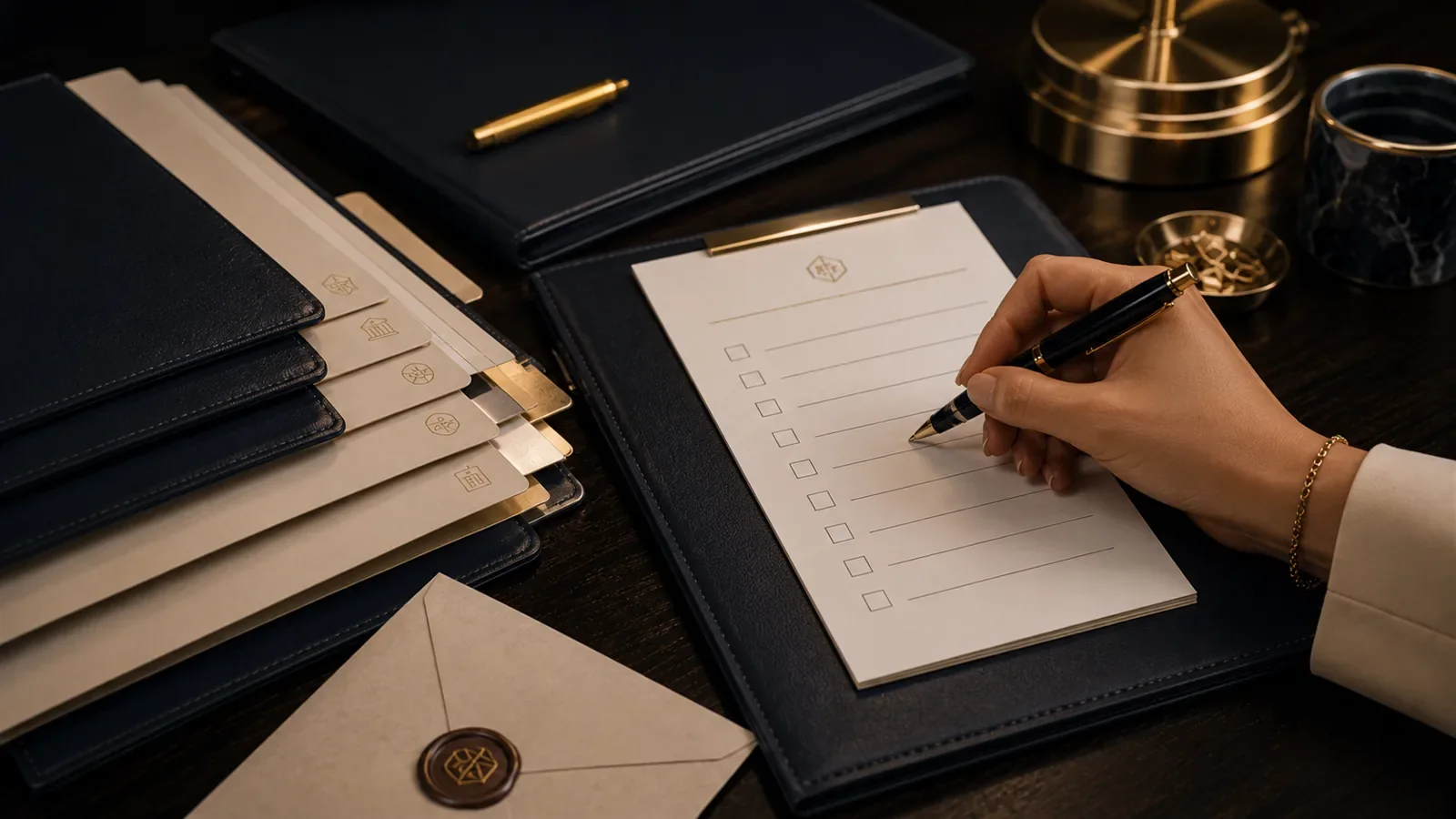
“I already have a will” is an important step. But a will addresses one part of the plan; by itself, it does not coordinate insurance policies, companies and family decisions.
Panama’s Civil Code defines a will as the act through which a person disposes of all or part of their property for after death. That purpose matters. A family must also know what to do while the owner is alive but unable to act, how a business on which the family depends will operate, and what other documents provide for particular assets. Civil Code, Article 699.
Four points to coordinate
Policies and beneficiaries. Compare the will with beneficiary designations in insurance policies and other financial products. A policy may retain beneficiaries named years ago and operate under its own contract. If that designation is not reviewed, the payment may no longer reflect the current family plan.
Companies and shareholders. Forming a company and issuing shares does not automatically create a continuity plan. When shares are held by individuals, each shareholder exercises the corresponding rights, and incapacity, death or a family disagreement may obstruct decisions. A trust or foundation structure, when appropriate, may include guidelines, but it does not replace an analysis of the company’s powers and documents.
Assets in other countries. Identify the jurisdiction of each asset and the advisers who must be involved. A document prepared for Panama does not automatically determine how matters governed by foreign law will be resolved.
What other documents provide
Family decisions. Different generations may disagree about whether to sell, preserve or manage assets. If those expectations are never discussed or translated into workable instructions, they may become obstacles when the plan must be implemented.
Available information. A carefully drafted decision loses practical value if no one knows it exists, which version is current or where it is kept. A clear record of documents and contacts helps avoid improvisation.
Align objectives, people and assets.
An estate review begins by aligning objectives, people, assets and documents. The next step may be to update a will, coordinate corporate rules, review an existing structure or consult a professional in another discipline.
At Carolina Solís Law, I build that map before recommending another document. I combine initial digital guidance with a personal review to identify gaps and prioritize decisions.
What to coordinate alongside a will
The aim is to read the documents and family decisions together. This checklist guides a review; it does not determine the legal effect of each instrument.