A family lives in Panama, owns property abroad and holds accounts or interests in several jurisdictions. Can everything be resolved through one Panama document? The answer requires reviewing where the assets are, who owns them and which rules may apply in each place.
The first step is not choosing a vehicle. It is building a map that allows legal, tax and financial work to be coordinated.
Four facts that change the conversation
Location and ownership. Record the country, asset type, registered owner and any intermediate structure. “The family home” may belong to an individual or company, or be subject to financing.
People. Note the habitual residence and relevant connections of those who own or may receive the assets. Do not assume that every person is subject to the same law.
Existing documents. Gather wills, powers of attorney, banking instructions, beneficiary designations and shareholder agreements. Documents prepared at different times may require coordination.
Documents and professional team
Professional team. Define which questions should be answered by a lawyer in each jurisdiction, which belong to tax specialists and who will integrate the answers into a coherent plan.
Cross-border planning requires care. An instrument valid in Panama does not automatically determine how an asset located in another country is transferred. Real estate is subject to the registry and rules of the country in which it is located; it cannot be moved into the Panama registry merely by including it in a Panama structure. Accounts, dynamic investments and corporate interests raise different questions.
Coordinate jurisdictions carefully.
The tax dimension must also be reviewed. Before moving an asset, changing its ownership or selecting a jurisdiction, identify taxes, costs, reporting obligations and possible conflicts among the countries involved. Any efficiency alternative must be lawful, documented and validated by specialists in the relevant jurisdictions.
At Carolina Solís Law, my role begins by building a clear inventory: which assets exist, where they are located, who appears as owner, who the beneficiaries are and what structures are already involved. I then identify the local, tax and specialized opinions that are needed and coordinate the information so that the client can evaluate an integrated plan. Advice on foreign law belongs to a professional qualified in that country; my work helps prevent those opinions from being considered in isolation from the Panama plan.
A map to coordinate jurisdictions
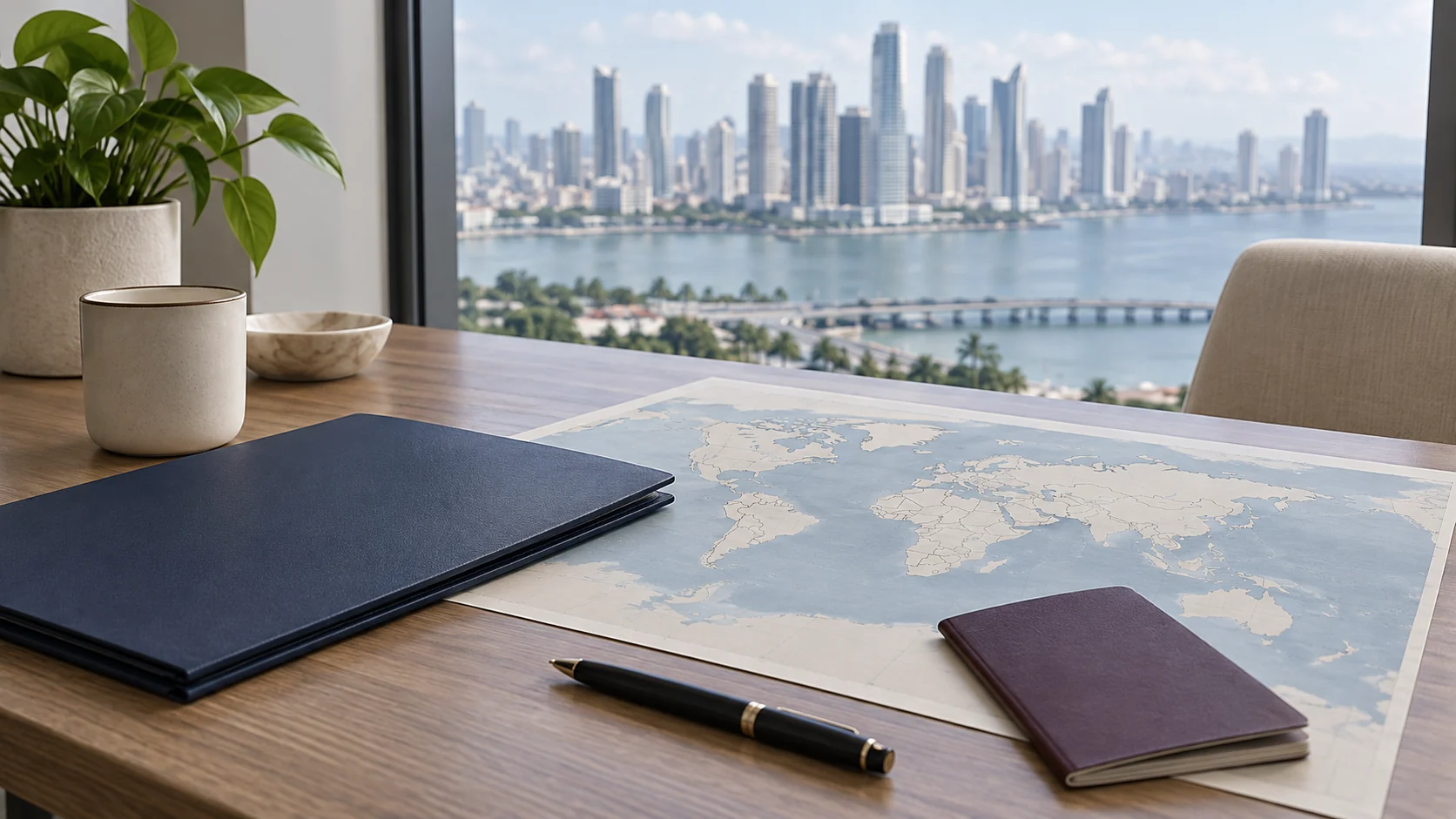
Hypothetical example: a home in Panama, property in another country and international investments. My work begins by organizing the whole picture and identifying which local or tax advice is needed before changes are made.